
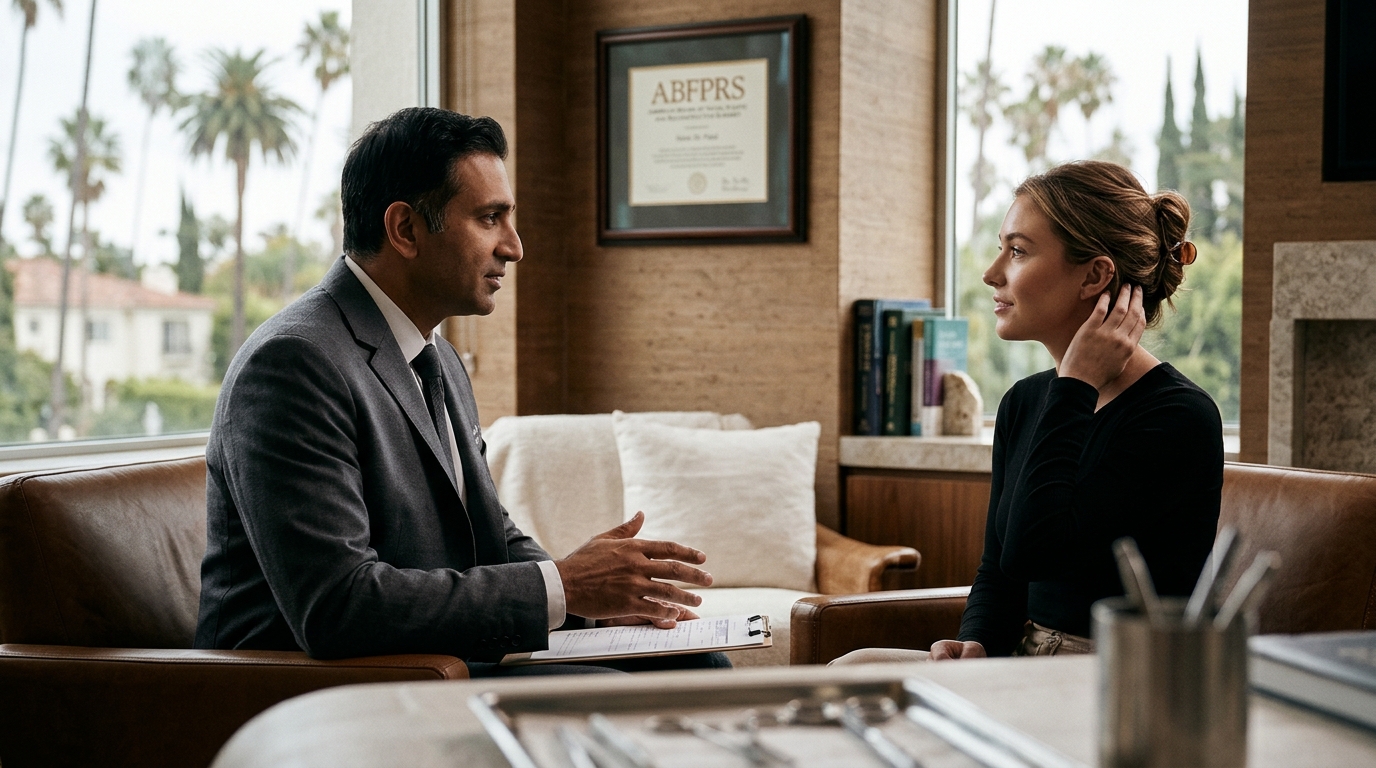
Verifying Board Certification and Specialization
Board certification is the primary indicator of surgical competence. The American Board of Facial Plastic and Reconstructive Surgery (ABFPRS) is the gold standard for ear pinning procedures. A surgeon certified by this board has completed a dedicated residency in facial plastic surgery, distinct from general plastic surgery. This distinction matters because facial plastic surgeons focus exclusively on the head and neck, including the complex anatomy of the ear. For additional details, review the .
General plastic surgeons may perform otoplasty, but their training is broader. Facial plastic surgeons undergo specific training in cartilage manipulation and aesthetic proportion. When evaluating a specialist in Beverly Hills, confirm their certification status directly with the ABFPRS. This step ensures the surgeon has met rigorous standards in facial anatomy and surgical technique. For additional details, review the Customer Experience.
Why Facial Plastic Surgery Matters for Ears
The ear is a complex structure of cartilage and skin. It requires precise suturing techniques to create a natural fold. Facial plastic surgeons are trained in these specific microsurgical methods. Their focus on the face allows for a more nuanced approach to ear positioning and shape. For additional details, review the Frequently Asked Questions.
Understanding Surgical Techniques for Otoplasty
Otoplasty is a surgical procedure that reshapes the ear to reduce its prominence. There are two main techniques: permanent suturing and cartilage scoring. Suture techniques involve placing stitches inside the ear to create the antihelical fold. This method is often preferred for adults because it preserves cartilage flexibility. For additional details, review the About.
Cartilage scoring involves making small cuts in the cartilage to weaken it and allow it to bend. This technique is more common in children. An experienced specialist will discuss which technique is best for your specific anatomy. Understanding this difference helps you ask the right questions during your consultation. It also helps you evaluate if the surgeon's approach aligns with your goals.
Assessing the Surgeon's Approach
Ask the surgeon to explain their preferred technique. A confident specialist will clearly describe how they plan to reshape your ear. They should also discuss the expected healing process and potential risks. This transparency is a key indicator of a trustworthy provider.

Reviewing the Surgeon's Portfolio and Experience
Experience is best measured by the volume and quality of specific cases. Look for a surgeon who performs otoplasty regularly. A high volume of cases indicates refined skill and familiarity with various ear shapes. Review before-and-after photos on the surgeon's website. Pay attention to the naturalness of the results. The ears should look proportional to the face, not overly pinned or artificial.
Dr. Patel focuses on achieving subtle, natural enhancements. His portfolio reflects a commitment to aesthetic balance. When reviewing photos, look for consistency in results. A skilled surgeon produces predictable, harmonious outcomes across different patients. This consistency is a strong signal of expertise.
What to Look for in Photos
Check for symmetry between the two ears. The ears should sit close to the head but not touch it. The fold should be smooth and natural. Avoid photos where the ears look overly flat or distorted. Natural-looking results are the hallmark of an experienced specialist.
The Consultation Process and Communication
Communication is a two-way street. You should feel comfortable asking questions and expressing your preferences. A respectful and transparent surgeon builds trust from the first meeting. This rapport is crucial for a positive surgical experience. It also helps ensure that the final result meets your expectations.
Questions to Ask During Consultation
Ask about the surgeon's specific experience with otoplasty. Inquire about the number of cases they perform annually. Ask about their preferred technique and why they chose it for you. These questions help you gauge their expertise and dedication to the procedure.
Recovery Expectations and Aftercare
Understanding the recovery timeline helps you plan your schedule. It also reduces anxiety about the healing process. A thorough aftercare plan is a sign of a comprehensive surgical approach. It ensures that your results are preserved long-term.
Managing Post-Operative Care
Follow all instructions regarding wound care and activity restrictions. Avoid bending or heavy lifting for the first few weeks. This helps prevent swelling and ensures proper healing. Adhering to the aftercare plan is essential for optimal results.
Key Takeaways
- Verify board certification with the American Board of Facial Plastic and Reconstructive Surgery.
- Review the surgeon's specific otoplasty portfolio for natural, consistent results.
- Understand the difference between suture and scoring techniques.
- Assess the surgeon's communication style and transparency during the consultation.
- Choose a specialist who focuses on facial plastic surgery for superior ear expertise.
Frequently Asked Questions
Is otoplasty a permanent procedure?
Yes, otoplasty is generally a permanent procedure. The cartilage is reshaped and secured with sutures or scoring. The results are long-lasting, though natural aging may cause slight changes over many years.
How long does the surgery take?
The surgery typically takes one to two hours. It is often performed under local anesthesia with sedation or general anesthesia. The exact duration depends on the complexity of the case.
Can I wear glasses after otoplasty?
You may need to avoid wearing glasses or sunglasses for a few weeks. This prevents pressure on the ears during healing. Your surgeon will provide specific guidelines based on your recovery progress.
Is the procedure painful?
Pain is managed with medication during and after the surgery. Most patients experience mild discomfort and swelling. This typically subsides within a few days. The procedure is well-tolerated by most adults and children.
How do I know if I am a good candidate?
You are a good candidate if you have prominent ears and realistic expectations. You should be in good general health and not smoke. A consultation with a board-certified facial plastic surgeon will determine your eligibility.
Conclusion
Choosing an experienced ear pinning specialist in Beverly Hills requires careful research and due diligence. Focus on board certification, specific technique expertise, and a strong portfolio of natural results. Dr. Sagar Patel at spafacialplastics.com provides specialized facial plastic surgery care, including otoplasty, for patients seeking refined aesthetic enhancements. Schedule a consultation to discuss your goals and determine the best approach for your unique anatomy. Learn more: spafacialplastics com.