

Chin liposuction removes fat, but skin elasticity determines how the skin retracts to reveal a sharper jawline. At SPA Facial Plastics in Beverly Hills, Dr. Sagar Patel evaluates this biological factor during every consultation. If your skin lacks sufficient elasticity, the procedure may not deliver the tight, defined contour you expect. Understanding this relationship is critical for setting realistic expectations and achieving natural-looking results. according to Skin Elasticity of For additional details, review the spafacialplastics com.
Defining Skin Elasticity in Facial Surgery
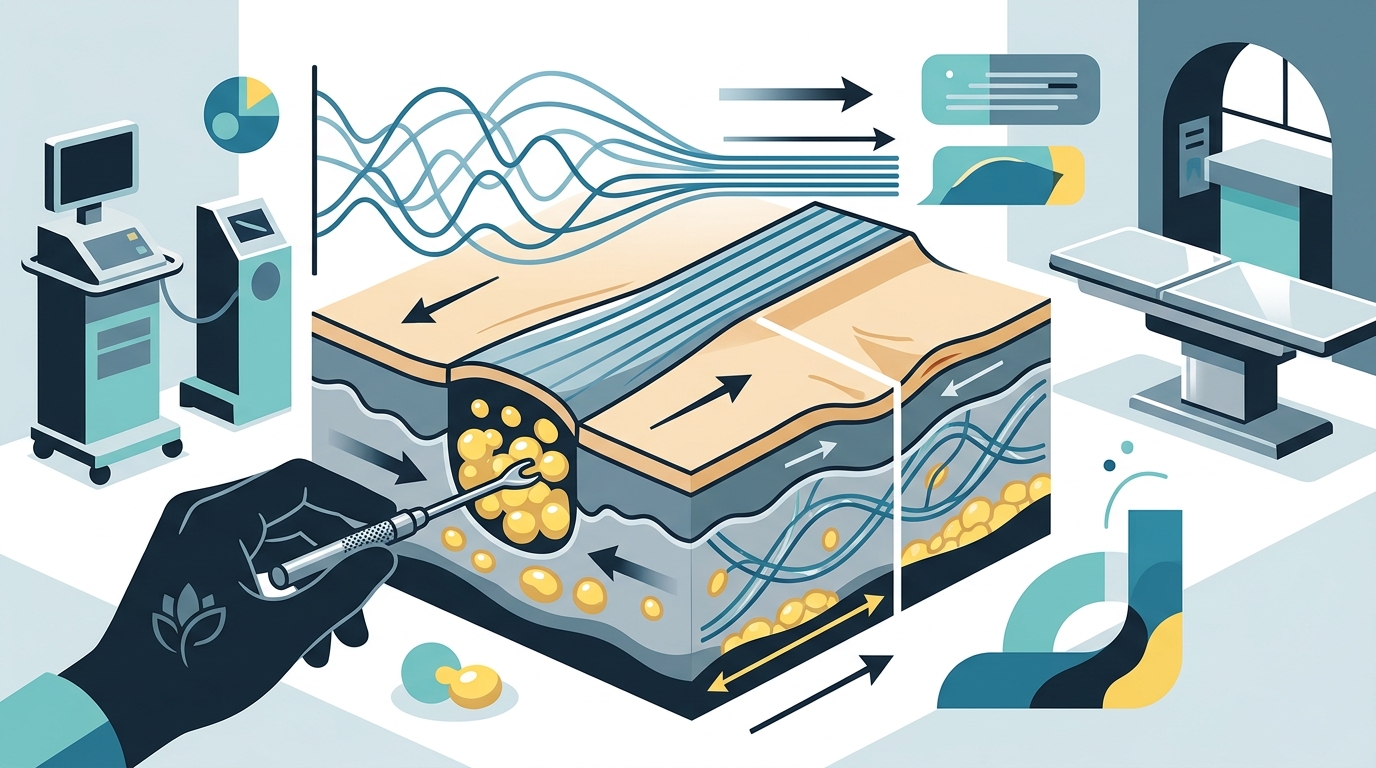
Skin elasticity is the ability of the skin to stretch and then return to its original size and shape. In the context of facial plastic surgery, this property is driven by the structural proteins collagen and elastin within the dermis. When fat is removed from the submental area, the overlying skin must contract to fit the new, smaller volume beneath it. If the skin is highly elastic, it retracts smoothly. If it is lax, it may remain loose or droop, potentially creating a less defined appearance. according to Skin Elasticity of
The Impact of Aging on Tissue Retraction
As we age, the production of collagen and elastin slows down, leading to a natural loss of skin elasticity. Research indicates that gender, age, and phototype reveal salient differences in skin elasticity, with older individuals generally exhibiting reduced tissue retraction capabilities. For a patient in their 40s or 50s, chin liposuction alone may not be sufficient to achieve a youthful jawline. In these cases, Dr. Patel may discuss combining chin liposuction with other techniques to address the skin laxity directly, ensuring the final result is both sharp and smooth.
How Surgeons Assess Your Elasticity
During a consultation, a board-certified facial plastic surgeon will physically assess your skin quality. This involves pinching the skin in the neck and chin area to gauge its snap-back ability. A patient with high elasticity will see the skin return to its resting position quickly. A patient with lower elasticity will notice the skin remains tented or loose. This physical exam is a crucial part of the candidacy evaluation at SPA Facial Plastics. It helps determine if you are a good candidate for standalone chin liposuction or if a more comprehensive approach is needed to address both fat and skin.
Lifestyle Factors That Influence Skin Quality
While genetics play a major role, lifestyle factors also impact skin elasticity. Chronic sun exposure, smoking, and poor nutrition can degrade collagen and elastin over time. Protecting your skin from UV damage and maintaining a healthy lifestyle can help preserve tissue quality. However, once significant laxity has developed, lifestyle changes alone cannot reverse it. This is why a surgical consultation is essential. Dr. Patel focuses on providing honest assessments of your skin's current state and how it will respond to fat removal, ensuring you make an informed decision about your treatment plan.
Setting Realistic Expectations for Your Results
Understanding the role of skin elasticity helps you set realistic expectations for your chin liposuction results. If you have excellent skin elasticity, you can expect a dramatic improvement in jawline definition. If your skin is more lax, the results may be more subtle, or you may benefit from additional procedures. At SPA Facial Plastics, the goal is to align your expectations with your biological reality. By discussing skin elasticity openly, you can work with your surgeon to design a treatment plan that delivers the most natural and harmonious outcome for your unique facial structure.
Key Takeaways
- Skin elasticity is the primary determinant of how well your skin retracts after chin liposuction.
- Collagen and elastin levels decrease with age, affecting the final contour of the jawline.
- Physical assessment of skin snap-back is a standard part of the surgical consultation process.
- Lifestyle factors like sun exposure and smoking can accelerate the loss of skin elasticity.
- Patients with lower elasticity may require additional procedures to achieve optimal results.
- Dr. Sagar Patel at SPA Facial Plastics provides personalized assessments to guide your treatment plan.
Frequently Asked Questions
What is skin elasticity in the context of chin liposuction?
Skin elasticity is the ability of the skin to stretch and return to its original shape. In chin liposuction, it determines how tightly the skin conforms to the new, reduced fat volume beneath it.
How does age affect skin elasticity for this procedure?
Age reduces the production of collagen and elastin, leading to looser skin. Older patients may experience less retraction, potentially requiring additional treatments for a defined jawline.
Can I tell if I have good skin elasticity?
You can perform a simple pinch test on your neck. If the skin snaps back quickly, you likely have good elasticity. If it remains loose, your elasticity may be lower.
Does smoking affect skin elasticity?
Yes, smoking degrades collagen and elastin, reducing skin elasticity. This can negatively impact the results of chin liposuction by causing the skin to remain loose.
What if my skin is not elastic enough for chin liposuction?
If your skin is lax, your surgeon may recommend combining chin liposuction with other procedures to address the skin directly, ensuring a smoother and more defined result.
Where can I get a professional assessment of my skin elasticity?
You can schedule a consultation with Dr. Sagar Patel at SPA Facial Plastics in Beverly Hills for a personalized evaluation of your skin quality and candidacy. Learn more: spafacialplastics com.