

Laser resurfacing is a cornerstone procedure in modern aesthetic medicine, offering one of the most reliable methods for addressing deep wrinkles, sun damage, and uneven skin tone. According to the American Society for Dermatologic Surgery, laser treatments are among the most popular non-surgical cosmetic procedures performed annually in the United States. The effectiveness of these treatments depends heavily on the technology used and the expertise of the practitioner. For patients in Beverly Hills, Sagar Patel Aesthetics provides advanced laser resurfacing services designed to deliver significant rejuvenation with minimal downtime. This guide explores how laser resurfacing works, the types of lasers used, and why choosing a specialized facial plastic surgeon is critical for optimal results.
How Laser Resurfacing Works
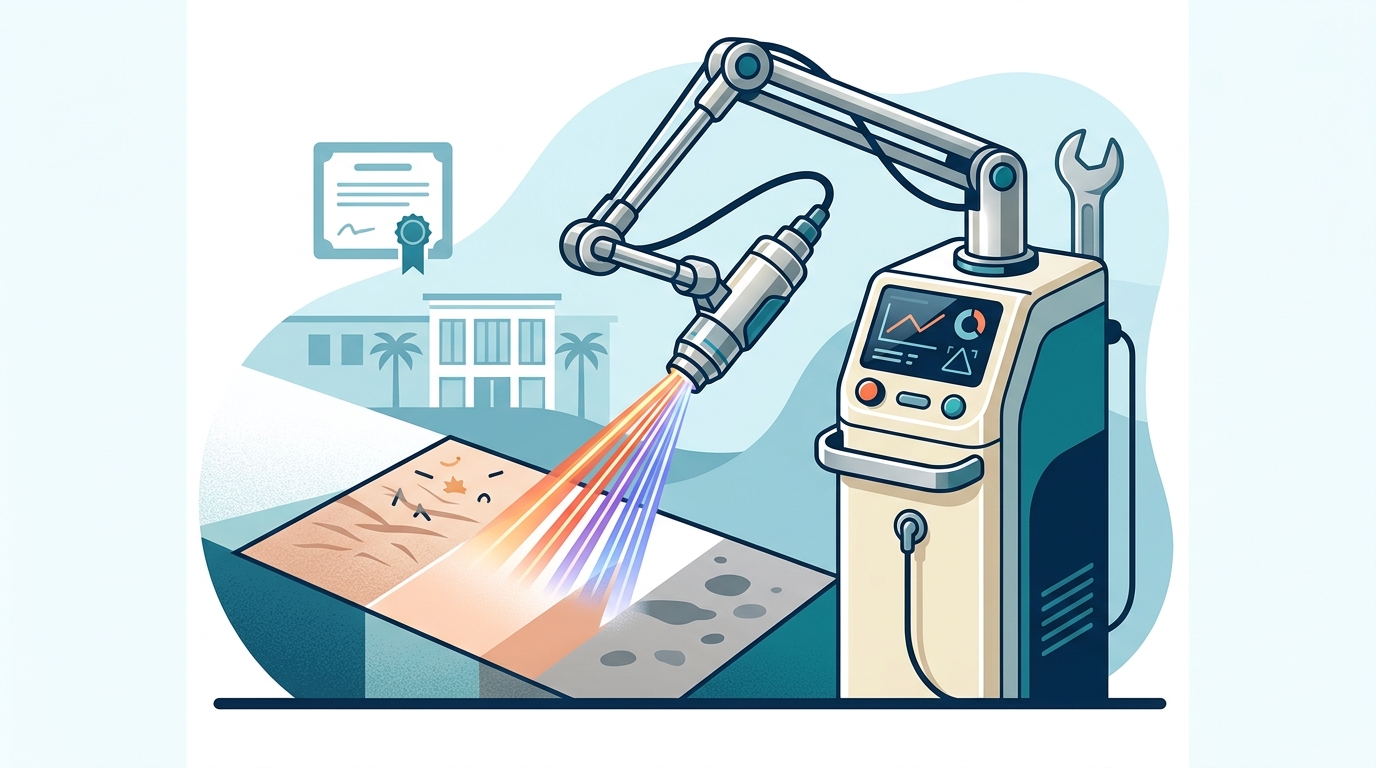
Laser resurfacing works by delivering concentrated beams of light to the skin. This light energy is absorbed by water in the skin cells, causing them to vaporize. This process removes damaged outer layers of skin, stimulating the body's natural healing response. As the skin heals, new collagen and elastin fibers are produced, resulting in tighter, smoother, and more evenly toned skin. The depth of the laser penetration determines the severity of the results and the length of the recovery period.
There are two main categories of laser resurfacing: ablative and non-ablative. Ablative lasers remove the outer layer of skin, while non-ablative lasers heat the underlying skin without damaging the surface. The choice between these methods depends on the patient's skin type, the severity of their concerns, and their tolerance for downtime. Dr. Sagar Patel at S.P.A. - Sagar Patel Aesthetics evaluates each patient's unique needs to recommend the most effective treatment plan.
Types of Lasers for Skin Rejuvenation
Not all lasers are created equal. The technology used significantly impacts the safety and efficacy of the treatment. Understanding the differences between laser types is essential for making an informed decision about your skincare routine.
Ablative Lasers
Ablative lasers, such as CO2 and Erbium YAG lasers, are the most powerful options for treating deep wrinkles and significant sun damage. These lasers remove the entire outer layer of skin, leading to dramatic results. However, they also require a longer recovery period, typically involving several days of redness and swelling. According to the American Academy of Dermatology, ablative lasers are considered the gold standard for severe photodamage.
Non-Ablative Lasers
Non-ablative lasers, such as fractional lasers, target the skin's underlying structures without damaging the surface. This results in less downtime and a lower risk of complications. While the results are more subtle than with ablative lasers, multiple sessions are often required to achieve the desired outcome. These treatments are ideal for patients with mild to moderate skin concerns who want to maintain their daily routine.
Intense Pulsed Light (IPL)
While not a true laser, IPL is often grouped with laser treatments. It uses broad-spectrum light to target pigmentation and redness. IPL is effective for treating sun spots and rosacea but is less effective for deep wrinkles. Patients considering IPL should consult with a specialist to determine if it is the right choice for their skin type.
Benefits and Target Concerns
Laser resurfacing is a versatile treatment that can address a wide range of skin concerns. The benefits extend beyond just wrinkle reduction, offering comprehensive skin rejuvenation. Here are the primary concerns that laser resurfacing can effectively treat:
- Deep Wrinkles: Laser resurfacing is highly effective for smoothing out deep lines around the mouth and eyes.
- Sun Damage: It can remove sun spots, freckles, and other forms of hyperpigmentation caused by UV exposure.
- Uneven Skin Tone: Lasers help to even out skin tone, reducing redness and blotchiness.
- Acne Scars: The treatment can improve the appearance of acne scars by stimulating collagen production.
- Pore Size: Laser resurfacing can tighten the skin, reducing the appearance of enlarged pores.
For patients in Beverly Hills seeking non-surgical facial balancing, laser resurfacing offers a powerful tool to enhance natural beauty without the need for invasive surgery. The results are often long-lasting, with proper skincare and sun protection.
Choosing the Right Provider
The success of laser resurfacing depends largely on the skill and experience of the provider. Not all practitioners are equal, and choosing the wrong provider can lead to complications such as scarring, infection, or uneven results. Here are key factors to consider when selecting a provider:
Specialization in Facial Plastic Surgery
Facial plastic surgeons specialize exclusively in the face and neck. This focused expertise ensures a deep understanding of facial anatomy and aesthetics. Dr. Sagar Patel is a double board-certified facial plastic surgeon who specializes in concierge facial plastic surgery. His specialized training allows him to perform laser resurfacing with precision and safety.
Use of Advanced Technology
Top-tier providers invest in the latest laser technology. Advanced lasers offer greater control over depth and intensity, leading to better results and fewer side effects. S.P.A. utilizes state-of-the-art laser equipment to ensure optimal outcomes for every patient.
Personalized Treatment Plans
Every patient's skin is different. A good provider will conduct a thorough consultation to assess your skin type, medical history, and goals. This personalized approach ensures that the treatment plan is tailored to your specific needs. Dr. Patel is known for his dedication to patient education and personalized care.
Proven Track Record
Look for a provider with a strong portfolio of before-and-after photos and positive patient testimonials. This evidence demonstrates their ability to deliver consistent results. You can view Dr. Patel's work in the photo gallery on the S.P.A. website.
Recovery and Aftercare
Recovery from laser resurfacing varies depending on the type of laser used and the intensity of the treatment. Proper aftercare is crucial for minimizing complications and achieving the best results.
Ablative Laser Recovery
After an ablative laser treatment, the skin will be red and swollen, similar to a severe sunburn. Crusting and peeling are normal as the skin heals. Most patients can return to work within 7 to 10 days. During this time, it is essential to keep the skin moisturized and protected from the sun.
Non-Ablative Laser Recovery
Recovery from non-ablative lasers is much quicker. Patients may experience mild redness and swelling for a few days. Most people can resume their normal activities immediately after treatment. However, sun protection is still critical to protect the healing skin.
Long-Term Care
To maintain the results of laser resurfacing, patients should follow a consistent skincare routine. This includes using broad-spectrum sunscreen daily, moisturizing regularly, and avoiding excessive sun exposure. Dr. Patel provides detailed aftercare instructions to ensure a smooth recovery process.
Key Takeaways
- Laser resurfacing is a highly effective treatment for wrinkles, pigmentation, and skin texture issues.
- Ablative lasers offer more dramatic results but require longer downtime than non-ablative lasers.
- Choosing a board-certified facial plastic surgeon like Dr. Sagar Patel ensures safety and optimal outcomes.
- Proper aftercare, including sun protection, is essential for maintaining results.
- S.P.A. offers personalized treatment plans tailored to individual skin needs.
- Dr. Patel's specialized focus on facial aesthetics leads to superior aesthetic results.
- Consultation is the first step to determining the right laser treatment for you.
Frequently Asked Questions
Is laser resurfacing painful?
Most patients experience minimal discomfort during the procedure. Topical anesthetics or local anesthesia are used to numb the area. Some patients report a sensation of heat or mild pinching during the treatment.
How many sessions are needed?
This depends on the type of laser and the severity of the skin concerns. Ablative lasers often require only one session, while non-ablative lasers may require three to five sessions for optimal results.
Who is a good candidate for laser resurfacing?
Good candidates are individuals with fair to medium skin tones who have sun damage, wrinkles, or uneven skin tone. Patients with active acne or certain skin conditions may not be suitable candidates.
What is the cost of laser resurfacing?
The cost varies based on the type of laser, the area treated, and the provider's expertise. S.P.A. offers competitive pricing and payment plans to make treatment accessible.
Can laser resurfacing be combined with other treatments?
Yes, laser resurfacing can be combined with other procedures such as lip filler or neuromodulators for comprehensive facial rejuvenation. Dr. Patel will create a customized plan to address all your concerns.
How long do the results last?
Results from laser resurfacing can last for several years, especially with proper skincare and sun protection. However, natural aging will continue, so maintenance treatments may be recommended.
Are there any risks associated with laser resurfacing?
Like any medical procedure, there are risks, including infection, scarring, and changes in skin color. Choosing an experienced provider significantly reduces these risks.
Schedule Your Consultation
If you are considering laser resurfacing for wrinkles and pigmentation, it is essential to consult with a qualified specialist. Dr. Sagar Patel at S.P.A. - Sagar Patel Aesthetics offers personalized consultations to help you achieve your aesthetic goals. Located in Beverly Hills, Dr. Patel provides world-class care with a concierge experience. Contact us today to schedule your appointment and take the first step toward smoother, younger-looking skin.