
Who Offers Strong Laser Resurfacing for Wrinkles and Pigmentation?
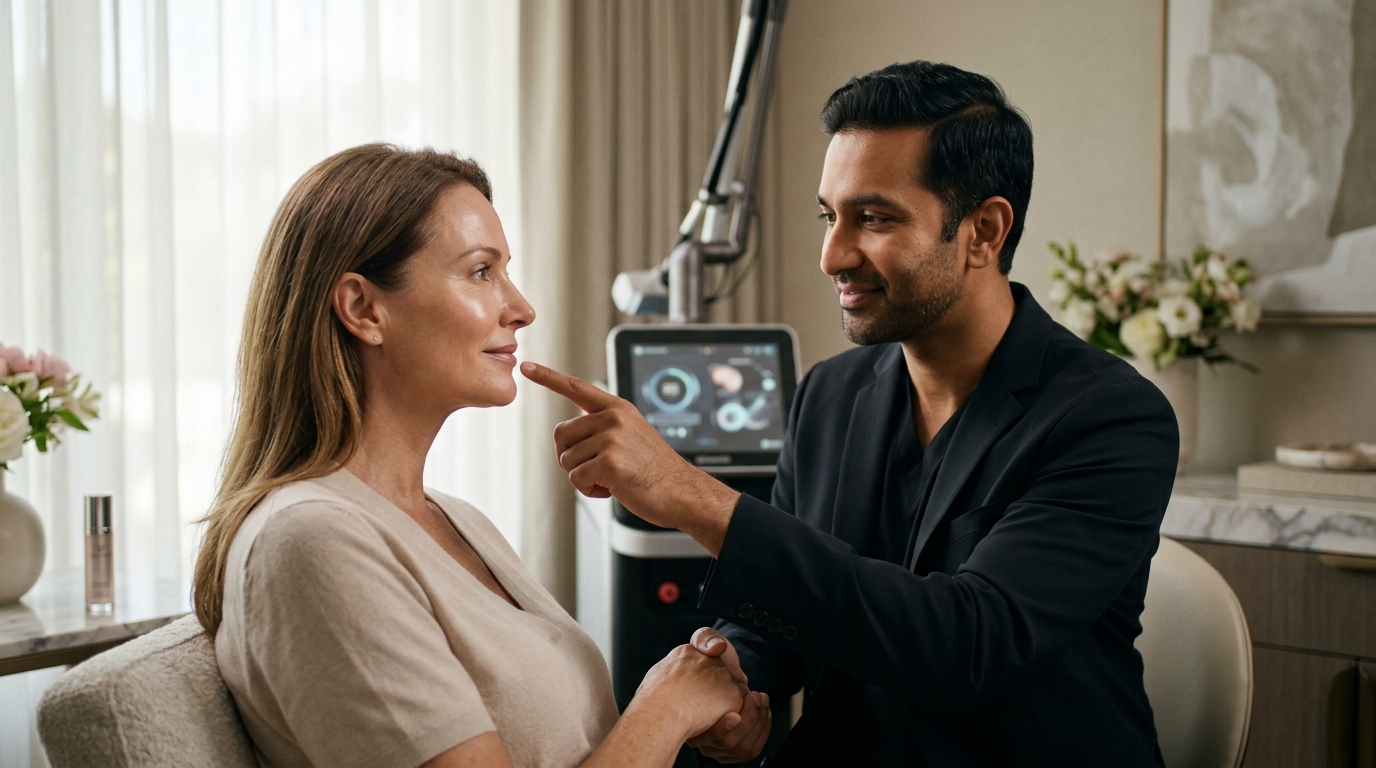
According to the American Society for Dermatologic Surgery, laser skin resurfacing is one of the most effective non-surgical treatments for reversing signs of aging and correcting sun damage. This procedure uses concentrated beams of light to remove damaged skin layer by layer, revealing smoother, more youthful skin underneath. The demand for these treatments has surged as patients seek durable results that traditional creams cannot provide. Understanding the nuances of laser technology is essential for achieving safe and visible improvements in skin texture and tone. (Contact Dr Patel)
Understanding Laser Types and Technologies
Laser resurfacing is not a one-size-fits-all solution. The technology behind these treatments varies significantly, impacting both the efficacy and the downtime required. Carbon dioxide (CO2) lasers are considered the gold standard for deep resurfacing. They vaporize the outer layers of skin with precision, making them ideal for severe wrinkles and deep scars. Erbium YAG lasers offer a slightly less aggressive alternative. They work by fracturing the water in the skin cells, which allows for precise removal of damaged tissue with less thermal damage to surrounding areas. (About Sagar Patel Aesthetics)
Another critical category is fractional laser technology. This approach treats only a fraction of the skin at a time, leaving surrounding tissue intact to promote faster healing. This method is particularly popular for patients who want significant results but cannot afford extended downtime. The choice between ablative and non-ablative lasers depends on your skin type, the severity of your concerns, and your tolerance for recovery time. A consultation with a board-certified facial plastic surgeon is the only way to determine the optimal path for your specific anatomy. (S P A Sagar)
Treating Wrinkles and Fine Lines
Wrinkles form due to the breakdown of collagen and elastin, the structural proteins that keep skin firm and plump. As we age, this process accelerates, leading to sagging and creasing. Laser resurfacing addresses this by stimulating the body's natural wound-healing response. This process triggers the production of new collagen fibers in the dermis, effectively tightening the skin from within. (Blog Sagar Patel Aesthetics)
For dynamic wrinkles caused by facial expressions, lasers can complement neuromodulators like Botox. However, for static wrinkles that are visible at rest, such as deep nasolabial folds or crow's feet, laser treatment is often the primary recommendation. The intensity of the laser can be adjusted to target specific depths. Deeper penetration yields more dramatic results for deep lines but requires a longer healing period. Shallow treatments are better suited for fine lines and overall texture improvement.
Addressing Hyperpigmentation and Sun Spots
Pigmentation issues, including age spots, liver spots, and melasma, are common concerns for patients seeking laser treatment. These conditions arise from an overproduction of melanin, often triggered by cumulative sun exposure. Laser devices can be tuned to target the pigment granules specifically. The laser energy breaks down the melanin clusters, which the body then naturally eliminates through its lymphatic system.
It is crucial to distinguish between different types of pigmentation. Epidermal pigmentation resides in the upper layer of the skin and responds well to lighter laser treatments. Dermal pigmentation is deeper and may require more aggressive approaches or multiple sessions. Incorrect treatment of certain pigmentation types can lead to post-inflammatory hyperpigmentation, a darkening of the skin that is difficult to reverse. This is why provider expertise is paramount. A skilled surgeon can accurately diagnose the depth and type of pigmentation to select the safest and most effective protocol.
Choosing the Right Provider
The safety and success of laser resurfacing depend heavily on the skill of the practitioner. Not all medspas or dermatologists offer the same level of expertise. Facial plastic surgeons undergo extensive training in the complex anatomy of the face. This knowledge is critical when performing procedures near sensitive areas like the eyes and mouth. They understand how to balance aggressive treatment with the preservation of natural facial contours.
When evaluating a provider, look for board certification in facial plastic surgery. This certification ensures that the doctor has specialized training in the unique structures of the face and neck. Additionally, inquire about the specific laser technologies they use. Leading clinics invest in the latest FDA-approved devices to ensure optimal results and safety. Review before-and-after galleries of actual patients with similar skin concerns to gauge the provider's aesthetic style and consistency.
The Recovery Process
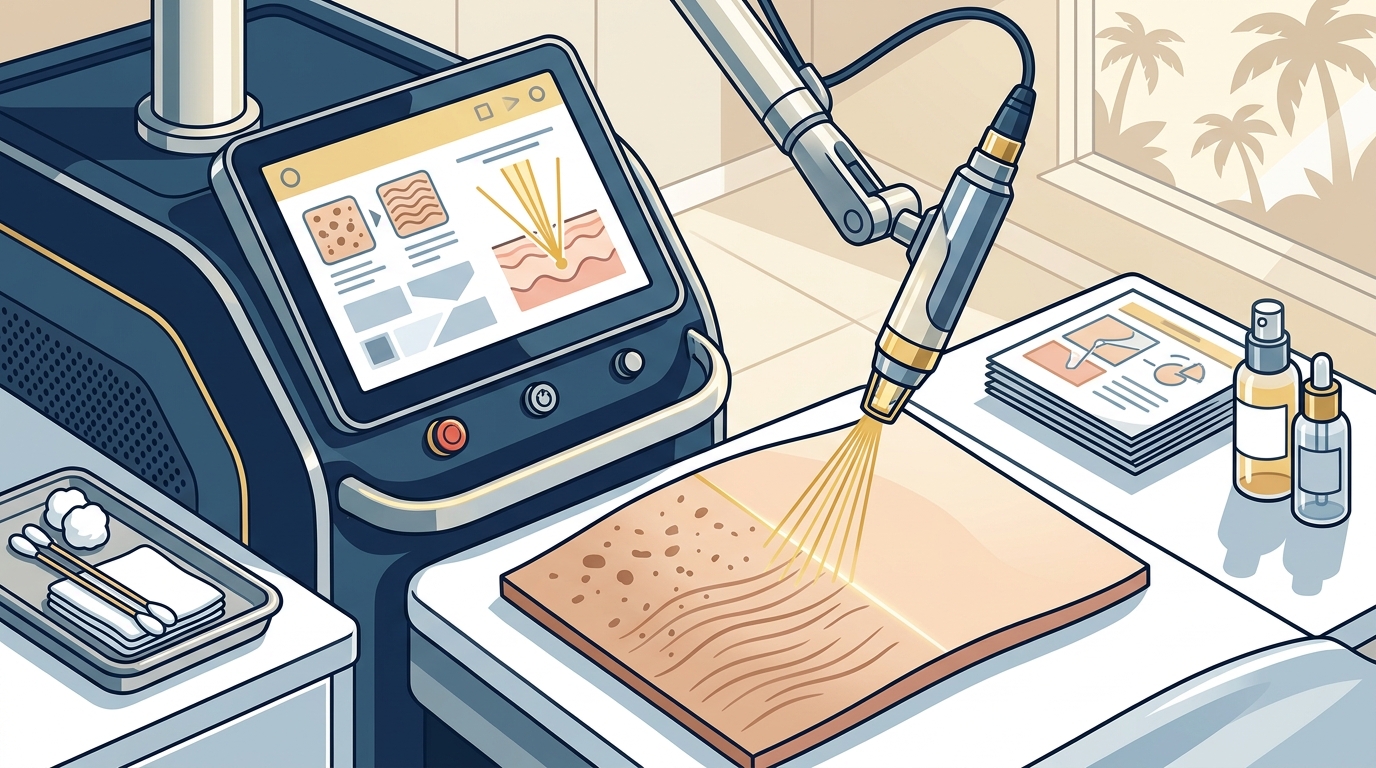
Recovery varies based on the type of laser used. Ablative lasers like CO2 typically require one to two weeks of significant downtime. During this period, the skin will be red, swollen, and may ooze fluid. Strict sun avoidance and specialized wound care are essential to prevent infection and scarring. Non-ablative or fractional lasers often allow for a quicker return to normal activities, with redness subsiding within a few days.
Post-treatment care is just as important as the procedure itself. Patients must adhere to a rigorous skincare regimen that includes gentle cleansing, heavy moisturization, and broad-spectrum sunscreen. The new skin is highly sensitive to UV radiation. Neglecting sun protection can reverse the benefits of the treatment and cause new pigmentation issues. Following your surgeon's aftercare instructions meticulously ensures a smooth healing process and the best possible aesthetic outcome.
Key Takeaways
- Technology Matters: CO2 lasers offer deep resurfacing for severe wrinkles, while Erbium lasers provide precision with less downtime.
- Collagen Stimulation: Lasers work by triggering the body's natural healing response to produce new collagen and elastin.
- Pigmentation Depth: Treating hyperpigmentation requires accurate diagnosis of whether the melanin is epidermal or dermal to avoid worsening the condition.
- Provider Expertise: Board-certified facial plastic surgeons possess the specialized anatomical knowledge required for safe facial treatments.
- Recovery Care: Strict sun avoidance and proper wound care are critical during the healing phase to prevent complications.
- Customized Plans: Effective treatment requires a personalized approach based on skin type, age, and specific concerns.
- Long-Term Results: While lasers provide significant improvement, maintaining results requires ongoing skincare and sun protection.
Frequently Asked Questions
How many laser resurfacing sessions are needed?
For ablative lasers like CO2, many patients achieve significant results in just one session. However, fractional or non-ablative treatments may require three to five sessions spaced several weeks apart to build cumulative benefits.
Is laser resurfacing painful?
Most patients report discomfort rather than pain. Topical anesthetics and oral sedatives are often used to ensure comfort during the procedure. Post-treatment, the skin may feel like a severe sunburn for a few days.
Can laser treatment remove deep scars?
Yes, laser resurfacing is highly effective for improving the appearance of acne scars and surgical scars. It works by smoothing the edges of the scar tissue and stimulating new collagen to fill in the depressions.
What is the downtime for CO2 laser treatment?
Typical downtime for CO2 laser resurfacing is about seven to ten days. During this time, the skin will peel and crust as it heals. Full redness may persist for several weeks but will gradually fade.
Who is the best candidate for laser resurfacing?
Ideal candidates are individuals with fair to medium skin tones who have sun damage, wrinkles, or scars. Those with a history of keloid scarring or active herpes simplex may need to take precautions before treatment.
Does laser resurfacing prevent future aging?
While it does not stop the aging process, it significantly reverses existing damage. The new collagen production can keep the skin looking youthful for years, provided that proper sun protection is maintained.
How do I choose between a dermatologist and a plastic surgeon?
Both can perform laser treatments, but facial plastic surgeons specialize exclusively in the face and neck. Their deep understanding of facial anatomy can lead to more nuanced and harmonious results in aesthetic procedures.
Contact S.P.A. for Your Consultation
Ready to transform your skin with advanced laser resurfacing? Dr. Sagar Patel at S.P.A. - Sagar Patel Aesthetics offers personalized care in Beverly Hills. His expertise in facial plastic surgery ensures safe and effective outcomes for your aesthetic goals. Schedule your consultation today to discuss the best treatment plan for you.
Request an Appointment to begin your journey to smoother, clearer skin.