
Essential Qualifications and Credentials for Adult Otoplasty Surgeons in Los Angeles
Choosing the right surgeon for otoplasty, commonly known as ear pinning, is a decision that requires careful scrutiny of medical credentials and specialized experience. According to the American Society of Plastic Surgeons, cosmetic surgery procedures involving the ears have seen consistent demand among adults seeking to correct protruding ears or congenital deformities. The average patient today is not just looking for a cosmetic fix but a structural correction that balances facial harmony. This guide outlines the critical qualifications you must verify before booking a consultation with a facial plastic surgeon in Los Angeles or Beverly Hills. (About Sagar Patel Aesthetics)
Board Certification and Specialization
The first and most non-negotiable qualification is board certification. However, not all board certifications are equal when it comes to ear surgery. You must distinguish between general plastic surgery boards and those specifically focused on the face. Otoplasty is a facial plastic surgery procedure, meaning the surgeon should be certified by the American Board of Facial Plastic and Reconstructive Surgery (ABFPRS) or the American Board of Otolaryngology (ABOto). These boards require rigorous training in the complex anatomy of the ear, including the cartilage structure and skin thickness. (Facial Plastic Surgeon Beverly)
General plastic surgeons may have broad training, but facial plastic surgeons dedicate their entire practice to the head and neck. This hyper-specialization ensures that the surgeon understands the subtle nuances of ear projection and the natural curvature of the helix. When researching surgeons in Los Angeles, verify their certification status directly through the respective board's public directory. Do not rely solely on the surgeon's website claims. (Blog Sagar Patel Aesthetics)
Additionally, look for fellowship training. Fellowship-trained surgeons have completed additional years of specialized education beyond their residency. This extra training often focuses on complex reconstructive techniques that are equally valuable for cosmetic otoplasty. A surgeon who has trained in a major academic medical center or a renowned private practice in Beverly Hills is likely to have encountered a wide variety of ear deformities. (Media Beverly HIlls Publicity)
Surgical Volume and Technique
Experience is measured not just in years practiced, but in the number of specific procedures performed. Otoplasty is a technique-sensitive surgery. The surgeon must master the art of cartilage scoring, suturing, and reshaping without compromising the ear's structural integrity. Cartilage scoring is a critical technique where the surgeon creates controlled breaks in the cartilage to allow it to bend and hold a new position.
Ask potential surgeons about their annual volume of otoplasty procedures. A surgeon who performs dozens of these surgeries annually will have refined their technique to minimize scarring and ensure symmetry. In contrast, a surgeon who performs only a few per year may rely on older, more invasive methods. Modern otoplasty often utilizes hidden sutures placed behind the ear or within the antihelical fold to avoid visible scars on the front of the ear.
Review the surgeon's before-and-after gallery specifically for adult patients. Adult skin is thicker and less elastic than pediatric skin, making the correction more challenging. The results should show natural-looking ears that sit close to the head without appearing "pasted on." Look for symmetry in the helical rim and the antihelix. If the surgeon's gallery lacks adult otoplasty results, they may not be the right fit for your needs.
Awake Surgery Benefits
One of the most significant advantages of modern otoplasty is the option for awake surgery. Awake plastic surgery allows for real-time feedback between the surgeon and the patient during the procedure. This is particularly valuable in otoplasty because the surgeon can ask the patient to sit up and view the results immediately after the cartilage is reshaped.
Dr. Sagar Patel, a Beverly Hills facial plastic surgeon, performs over 95% of his surgeries with the patient awake and comfortable. This approach ensures that the final position of the ears meets the patient's aesthetic goals before the anesthesia wears off. It also reduces the risks associated with general anesthesia, such as nausea and longer recovery times. For adult patients, this means a faster return to daily activities and less post-operative discomfort.
Awake surgery also requires a highly skilled anesthesiologist or nurse anesthetist who specializes in local anesthesia with sedation. This team ensures that the patient remains relaxed and pain-free throughout the procedure. When evaluating a surgeon, ask about their anesthesia protocols and whether they offer awake options. This level of care is often found in concierge-style practices that prioritize patient comfort and safety.
The Consultation Process
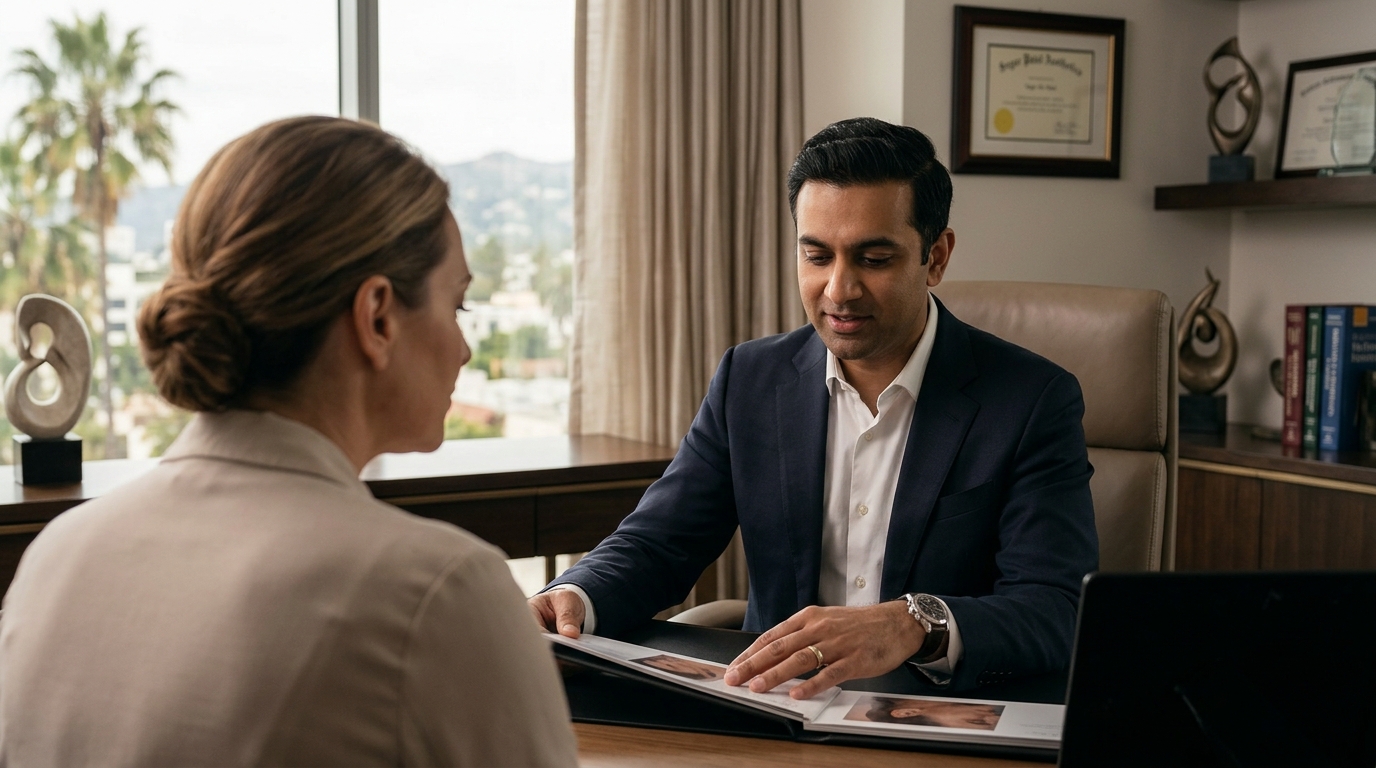
A thorough consultation is your opportunity to assess the surgeon's expertise and your comfort level with their approach. During this meeting, the surgeon should perform a detailed examination of your ears, noting the degree of protrusion, the shape of the antihelix, and the skin thickness. They should also discuss your medical history, including any previous ear surgeries or trauma.
Ask the surgeon to explain the specific technique they plan to use. Will they use sutures, cartilage scoring, or a combination of both? How will they address any asymmetry? A qualified surgeon will provide a clear, step-by-step explanation of the procedure and set realistic expectations for the outcome. They should also discuss the potential risks and complications, such as hematoma, infection, or over-correction.
Pay attention to how the surgeon communicates. Do they listen to your concerns? Do they answer your questions clearly and without pressure? A good surgeon will prioritize your safety and satisfaction over making a sale. They should also provide you with a detailed cost breakdown, including the surgeon's fee, anesthesia fees, and facility costs. Be wary of surgeons who offer prices that seem too good to be true, as this may indicate a lack of experience or hidden costs.

Safety and Recovery Protocols
Safety is paramount in any surgical procedure. Ensure that the surgeon operates in an accredited surgical facility. This accreditation ensures that the facility meets strict standards for equipment, staffing, and emergency protocols. The facility should have a team of experienced nurses and anesthesiologists who are prepared to handle any complications.
Recovery from otoplasty is generally straightforward, but it requires strict adherence to post-operative instructions. You will need to wear a head bandage for the first few days to reduce swelling and support the new ear position. Most patients can return to work or school within a week, but they must avoid strenuous activities and contact sports for several weeks. The surgeon should provide clear written instructions and be available for follow-up questions during the recovery period.
Long-term results are typically permanent, but the ears may shift slightly over time due to aging or trauma. Maintaining a healthy lifestyle and protecting your ears from injury can help preserve the results. Regular follow-up appointments with your surgeon will ensure that the healing process is progressing as expected and that you are satisfied with the outcome.
Key Takeaways
- Board Certification: Verify certification from the American Board of Facial Plastic and Reconstructive Surgery (ABFPRS) or the American Board of Otolaryngology (ABOto).
- Specialization: Choose a surgeon who focuses exclusively on facial plastic surgery rather than general plastic surgery.
- Surgical Volume: Prioritize surgeons who perform a high volume of otoplasty procedures annually to ensure refined techniques.
- Awake Surgery: Consider surgeons who offer awake procedures for real-time feedback and reduced anesthesia risks.
- Accredited Facilities: Ensure the surgery is performed in an accredited surgical center with experienced anesthesia providers.
- Realistic Expectations: Review before-and-after photos of adult patients to assess the surgeon's aesthetic style.
- Concierge Care: Look for practices that offer personalized, high-level patient care and communication.
Frequently Asked Questions
What is the most important credential for an otoplasty surgeon?
The most important credential is board certification in facial plastic surgery. This ensures the surgeon has specialized training in the anatomy and techniques specific to the face and ears.
Can otoplasty be performed while awake?
Yes, many facial plastic surgeons perform otoplasty with the patient awake and sedated. This allows for real-time adjustments and reduces the risks associated with general anesthesia.
How do I verify a surgeon's experience with adult otoplasty?
Review the surgeon's before-and-after gallery for adult patients and ask about their annual volume of otoplasty procedures. Surgeons who specialize in facial plastic surgery typically have more experience with adult cases.
What is cartilage scoring in otoplasty?
Cartilage scoring is a technique where the surgeon creates controlled breaks in the ear cartilage to allow it to bend and hold a new position closer to the head.
How long is the recovery time for otoplasty?
Most patients can return to work or school within a week. However, strenuous activities and contact sports should be avoided for several weeks to ensure proper healing.
What is the average cost of otoplasty in Los Angeles?
The cost varies by surgeon and facility, but it typically ranges from $4,000 to $8,000. This usually includes the surgeon's fee, anesthesia, and facility costs.
Are there specific risks for adult otoplasty?
Adults have thicker skin and less elastic cartilage, which can make correction more challenging. Risks include hematoma, infection, and asymmetry, which are minimized by choosing an experienced surgeon.
How do I find a qualified surgeon in Beverly Hills or Los Angeles?
Use the American Board of Facial Plastic and Reconstructive Surgery's "Find a Surgeon" tool to locate certified specialists in your area. Read patient reviews and schedule consultations to assess their approach.
Schedule Your Consultation
Ready to take the next step toward balanced facial harmony? Dr. Sagar Patel offers personalized consultations for adult otoplasty in Beverly Hills. Experience the concierge care and specialized expertise that sets his practice apart. Request an appointment today to discuss your goals and learn more about the awake surgery option.