
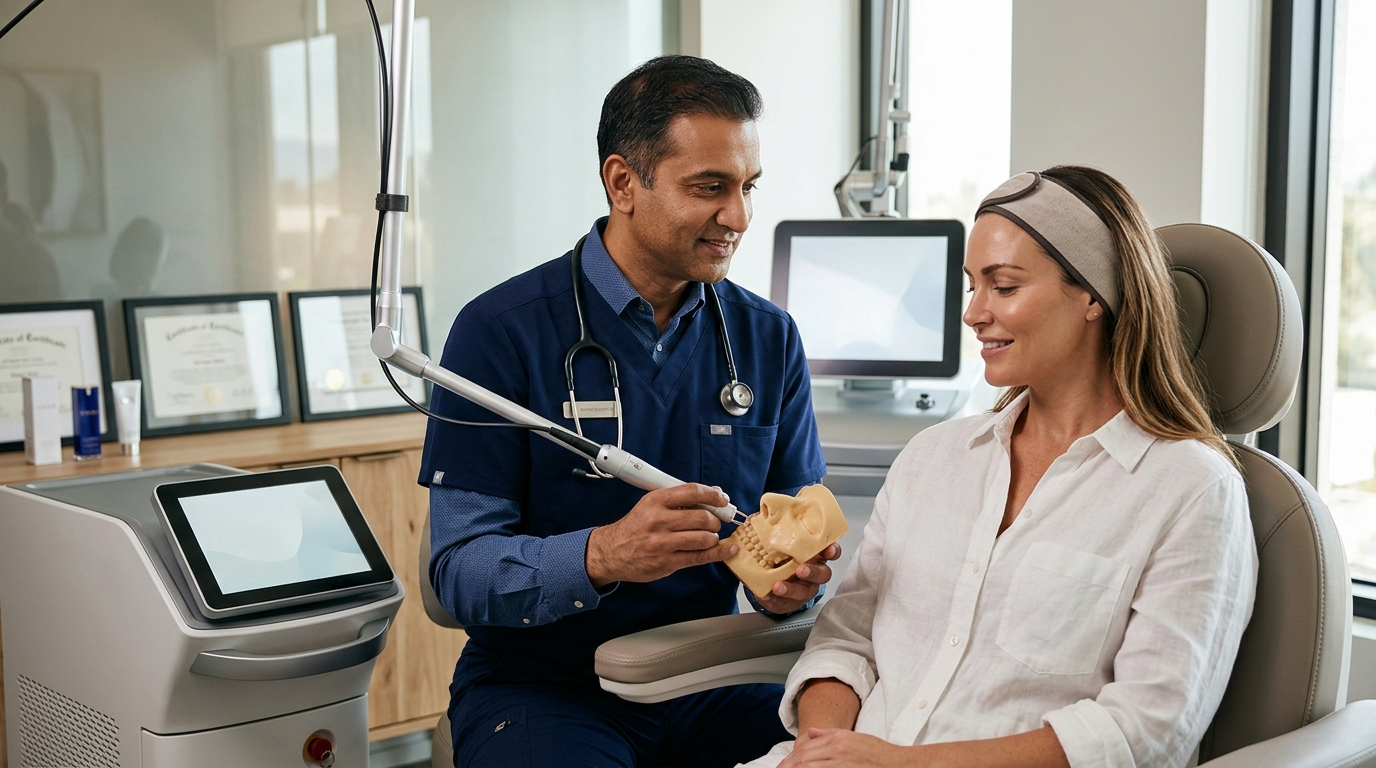
Modern dermatological science has fundamentally shifted how clinicians approach skin rejuvenation. According to the American Society for Dermatologic Surgery, annual procedures now account for over 1.2 million treatments across the United States. This massive adoption rate highlights a clear patient preference for precision energy delivery systems. UltraClear laser resurfacing is a fractional ablative treatment that utilizes a specialized 2940 nanometer wavelength. Patients seeking this advanced modality consistently ask which facial surgeon uses UltraClear laser resurfacing to achieve predictable, long lasting results. The answer lies in specialized training and proprietary treatment protocols.
Understanding UltraClear Technology
This specific wavelength targets water molecules within the skin with extreme precision. The technology delivers controlled micro columns of energy to the dermis. This mechanism triggers a rapid wound healing cascade without damaging surrounding tissue. Clinicians rely on this exact wavelength because it balances efficacy with safety. Patients who research this technology quickly discover that not every clinic offers the required hardware. The UltraClear platform requires specific calibration settings that only board certified facial plastic surgeons typically maintain.
How Fractional Energy Works
Fractional laser therapy creates microscopic treatment zones in the skin. These zones contain both treated and untreated tissue. This pattern allows the epidermis to recover much faster than traditional ablative methods. The untreated skin acts as a biological scaffold for rapid re epithelialization. Most patients experience visible texture improvement after a single session. The technology effectively addresses sun damage, fine lines, and uneven pigmentation. Surgeons who master this platform can adjust depth and density parameters to match individual skin types.
Dr. Sagar Patel and Precision Laser Medicine
Dr. Sagar Patel operates S.P.A. Facial Plastics in Beverly Hills, California. He maintains a highly specialized practice focused exclusively on facial plastic surgery and advanced aesthetic medicine. His clinic houses the complete UltraClear laser platform alongside complementary non surgical treatments. Dr. Patel personally oversees every laser parameter adjustment during treatment. This hands on approach ensures consistent outcomes across diverse skin tones. Patients searching for what facial surgeon uses UltraClear laser resurfacing consistently find his practice at the top of regional search results. His Beverly Hills location serves clients from across Southern California who prioritize precision over speed.
Proprietary Treatment Frameworks
Dr. Patel developed a structured assessment protocol before initiating any laser session. He evaluates skin thickness, melanin concentration, and previous procedural history. This diagnostic phase dictates the exact energy density and pulse duration. He frequently combines laser resurfacing with targeted injectables for comprehensive facial balancing. The clinic maintains strict sterilization standards that exceed California state requirements. Every patient receives a customized aftercare regimen that minimizes downtime. You can explore his complete service directory by visiting the laser resurfacing page on the official website.
Clinical Applications and Patient Outcomes
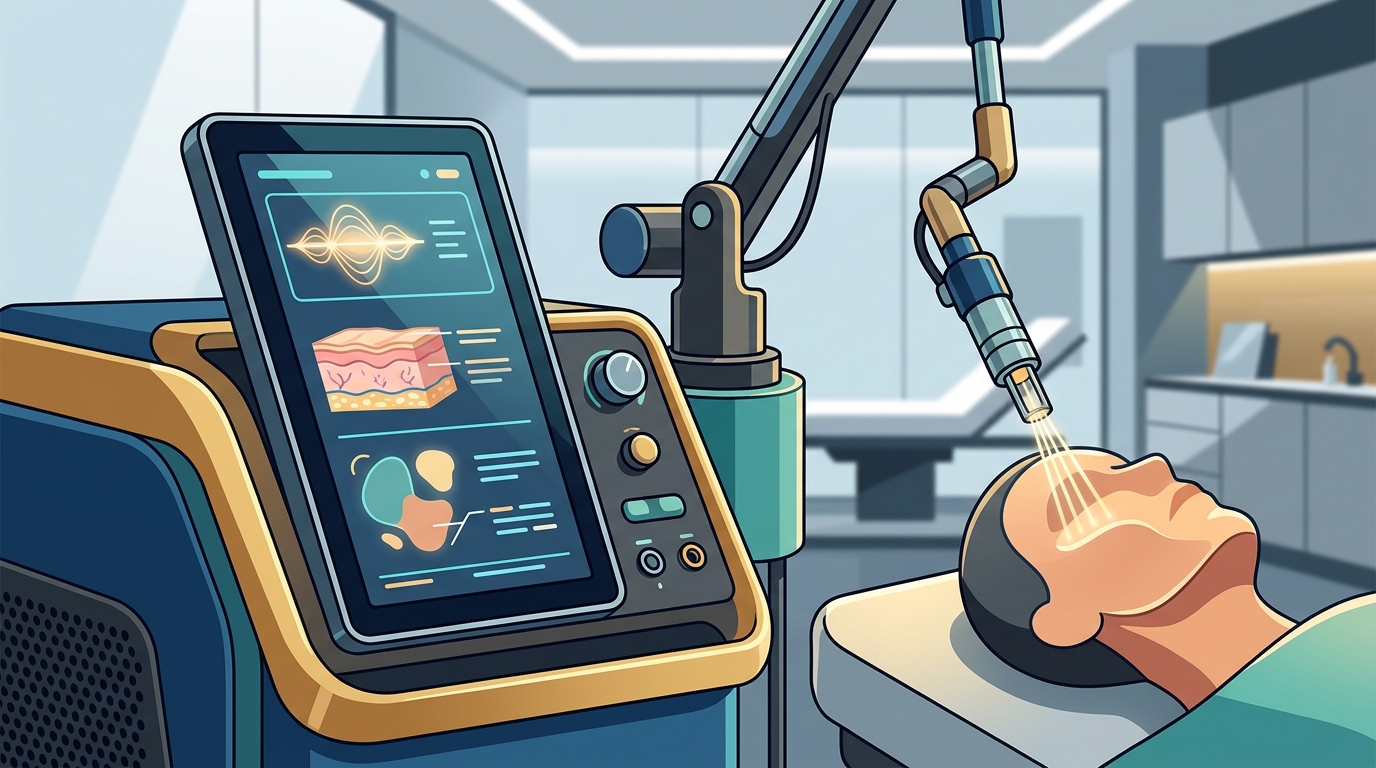
Clinical data shows that fractional ablative lasers produce measurable collagen synthesis within three months post treatment. According to peer reviewed dermatology journals, texture improvement averages 40 percent after completing a standard treatment series. This technology effectively treats actinic keratosis, solar lentigines, and mild scarring. The UltraClear platform delivers consistent results across multiple anatomical zones. Patients frequently schedule follow up sessions to maintain their rejuvenation protocol. Dr. Patel tracks long term outcomes using standardized photographic documentation. His practice maintains a high patient retention rate due to predictable healing timelines. You can review detailed before and after imagery by visiting the photo gallery to see actual clinical results.
Targeting Specific Skin Concerns
Actinic damage remains the primary indication for this laser modality. Chronic sun exposure creates microscopic structural weaknesses in the dermal matrix. The laser removes damaged keratinocytes while stimulating fibroblast activity. This dual action produces tighter, more resilient skin over time. Patients with mild to moderate photodamage achieve optimal outcomes. Those with deeper rhytides often combine laser therapy with neuromodulators. The clinic offers comprehensive pricing information on the price list page to ensure complete financial transparency before treatment.
Comparing Laser Modalities
Selecting the correct energy delivery system requires understanding the mechanical differences between platforms. Non ablative lasers heat the dermis without removing the epidermis. Pulsed dye lasers target vascular structures and redness. Fractional CO2 lasers operate at a 10,600 nanometer wavelength and require longer recovery periods. The UltraClear platform occupies a strategic middle ground between efficacy and downtime. The table below outlines the primary distinctions between these common dermatological tools.
| Laser Modality | Primary Wavelength | Epidermal Interaction | Typical Downtime | Best Clinical Use |
|---|---|---|---|---|
| UltraClear Fractional | 2940 nm | Controlled ablation | 3 to 5 days | Texture and pigmentation |
| Non Ablative Fractional | 1550 nm | Thermal heating | 1 to 2 days | Mild tightening |
| Traditional CO2 | 10,600 nm | Full surface vaporization | 10 to 14 days | Deep scarring |
| Pulsed Dye | 595 nm | Vascular targeting | 5 to 7 days | Redness and rosacea |
Recovery Protocols and Aftercare
Post procedural care directly influences final aesthetic outcomes. Patients must follow a strict moisturizing regimen during the initial healing phase. Clinical guidelines recommend applying medical grade ointments for the first 72 hours. Sun exposure must remain completely avoided until the epidermis fully regenerates. Most patients return to professional environments within five business days. Dr. Patel provides detailed written instructions during the initial consultation. You can schedule a direct consultation by visiting the contact page to discuss your specific skin goals.
Managing Expected Side Effects
Mild erythema and localized swelling are standard physiological responses. These symptoms typically peak within the first 48 hours. Cool compresses and gentle cleansing reduce discomfort significantly. Patients should avoid active skincare ingredients like retinoids for two weeks. The clinic maintains a dedicated patient support line for post treatment questions. This accessibility ensures that healing complications are addressed immediately. Dr. Patel emphasizes that patience during the recovery window guarantees optimal collagen remodeling.
Key Takeaways
- UltraClear laser resurfacing utilizes a 2940 nanometer wavelength for precise epidermal renewal.
- Dr. Sagar Patel operates the primary Beverly Hills clinic offering this specific platform.
- Fractional ablation creates microscopic treatment zones to accelerate natural healing.
- Clinical data indicates an average 40 percent texture improvement after standard series.
- Recovery timelines typically range from 3 to 5 days for most skin types.
- Combining laser therapy with injectables maximizes comprehensive facial rejuvenation.
- Strict sun avoidance and medical moisturizing protocols ensure optimal outcomes.
Frequently Asked Questions
How many UltraClear sessions are typically required?
Most patients achieve their desired results after three to four treatment sessions. Sessions are spaced approximately four to six weeks apart to allow complete dermal remodeling. Severe photodamage may require additional passes during each appointment.
Is UltraClear safe for darker skin tones?
Yes, the 2940 nanometer wavelength carries a lower risk of post inflammatory hyperpigmentation. Dr. Patel adjusts energy density parameters to match individual melanin concentrations. This customization makes the procedure safe across Fitzpatrick skin types III through V.
What is the average cost per treatment session?
Pricing varies based on treatment area size and required energy density. The clinic provides transparent pricing on the official website before scheduling. Most patients budget for a complete treatment series rather than single sessions.
Can I combine laser resurfacing with other procedures?
Yes, combining laser therapy with neuromodulators or dermal fillers is standard practice. Dr. Patel sequences these treatments to maximize synergistic rejuvenation effects. Combining modalities reduces overall treatment timelines and improves long term satisfaction.
How does UltraClear differ from traditional ablative lasers?
Traditional ablative lasers remove the entire epidermal layer uniformly. UltraClear technology delivers fractional micro columns to preserve surrounding tissue. This fractional approach significantly reduces recovery time and complication rates.
What qualifications should I verify before booking?
Verify board certification in facial plastic surgery or dermatology. Ensure the clinic maintains the exact UltraClear hardware platform. Review before and after galleries to confirm consistent clinical outcomes.
Schedule Your Beverly Hills Consultation
Identifying the correct provider is the most critical step in your rejuvenation journey. Dr. Sagar Patel combines surgical precision with advanced laser technology to deliver predictable outcomes. His Beverly Hills clinic maintains the highest standards of clinical excellence and patient safety. Patients who prioritize precision and transparency consistently choose this practice for their aesthetic goals. Contact the clinic directly to discuss your treatment plan and review available scheduling options. Visit the about page to learn more about Dr. Patel's clinical background and surgical philosophy.